
TMJ / TMD Treatment in Brighton, MI
Relieve jaw pain, clicking, and tension headaches with targeted treatment for TMJ and TMD disorders.


What is TMJ / TMD Treatment?
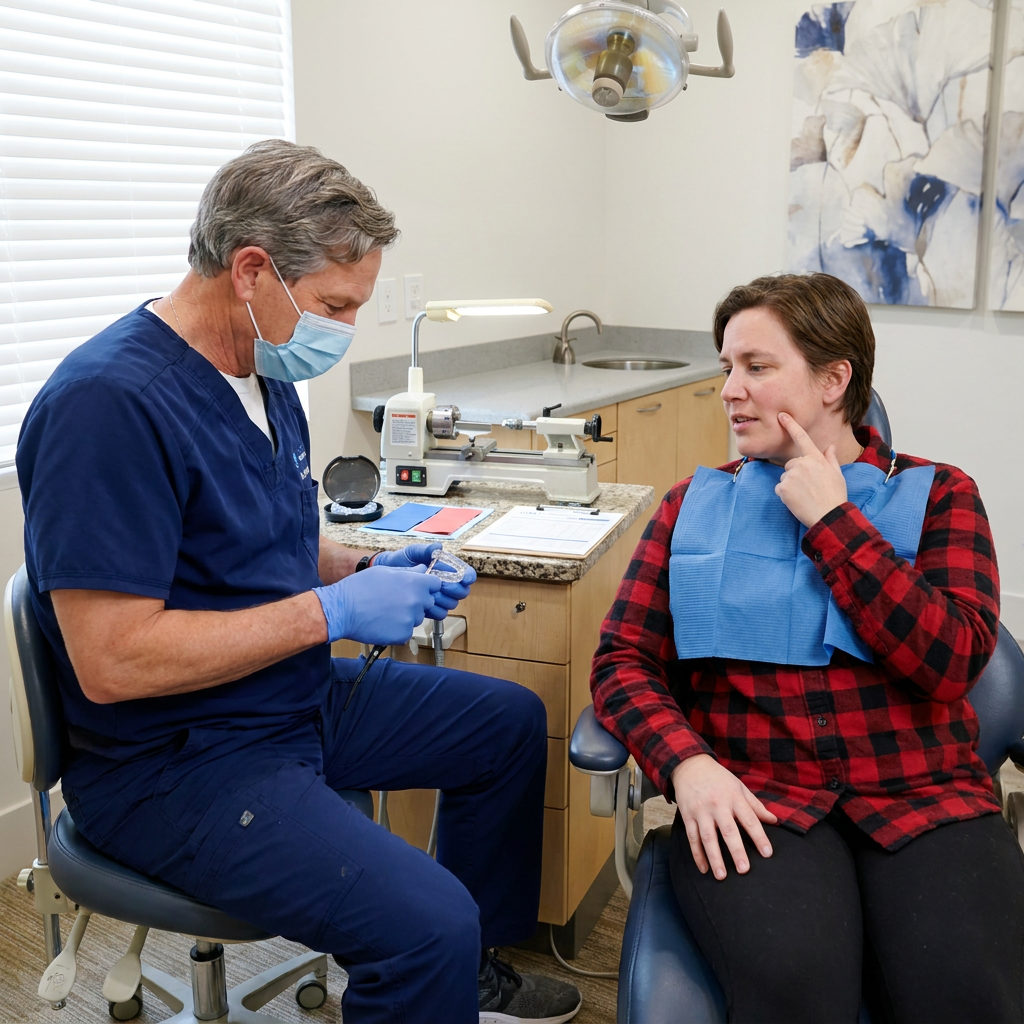
Constant jaw pain, clicking when you chew, or headaches that start near your ears can all point to a problem with your temporomandibular joint. TMJ / TMD treatment targets the muscles, joints, and bite alignment issues behind that discomfort. At Schaefer Dental Group in Brighton, MI, we start with a thorough exam to pinpoint what is driving your symptoms, because the right fix depends on the actual cause.
Some patients clench or grind at night without realizing it. Others have a bite that puts uneven pressure on one side of the jaw. Once we identify the source, we build a treatment plan around it. That might include a custom oral appliance, bite adjustment, or targeted exercises. Modern approaches focus on resolving the root problem rather than just masking pain with medication.

Benefits of TMJ / TMD Treatment
TMJ / TMD treatment targets the source of your discomfort so everyday tasks like eating and talking feel normal again.
Enjoy Meals Without the Jaw Strain
When your jaw joint works the way it should, meals stop being a chore. Many of our patients in Brighton, MI tell us they forgot what painless chewing felt like until treatment brought it back.
Ease the Tension Behind Your Headaches
Chronic tension headaches often trace back to a strained jaw. Treating the joint and surrounding muscles can cut headache frequency in ways over-the-counter pills never could.
Wake Up With a More Relaxed Jaw
Nighttime grinding wears down enamel and leaves your jaw sore by morning. A custom oral appliance keeps your teeth apart so you wake up rested, not tight.
Who Benefits from TMJ / TMD Treatment?
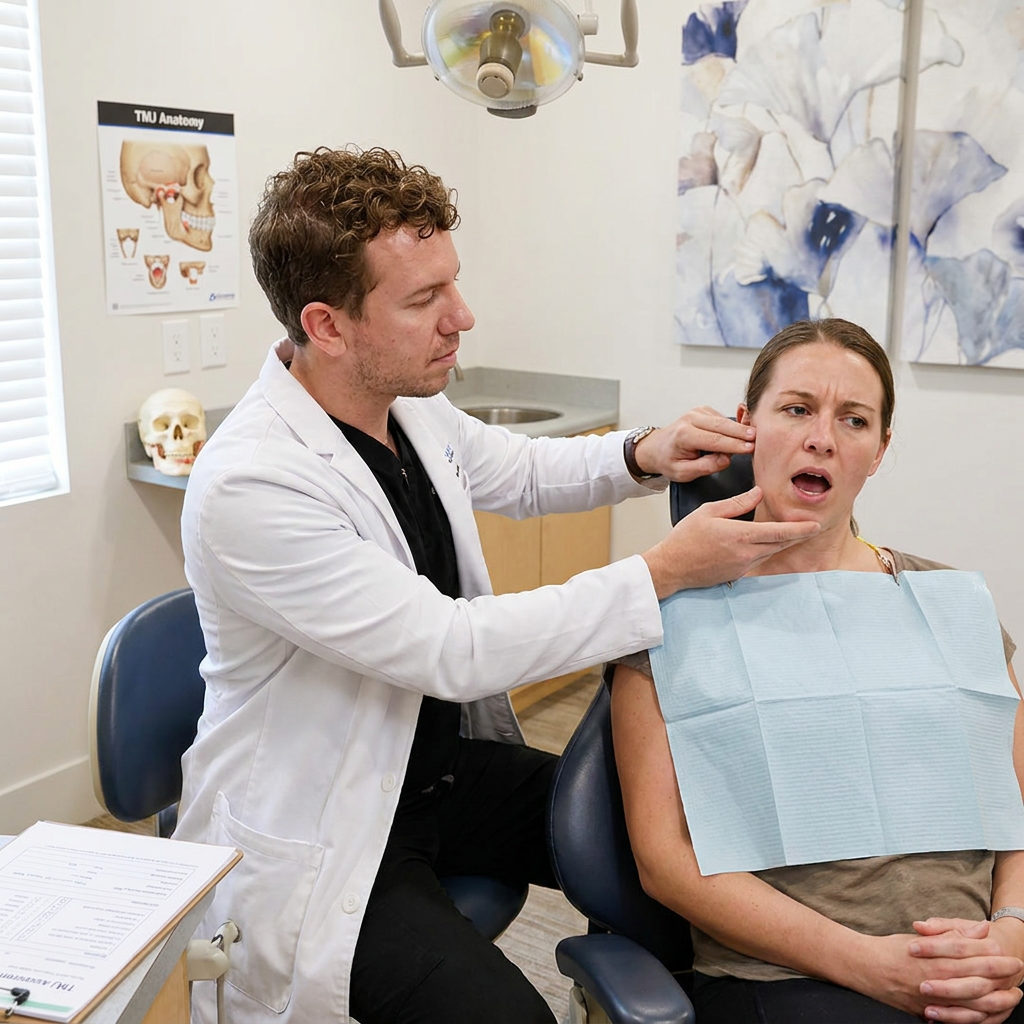
If you wake up with a sore jaw most mornings, or you catch yourself clenching during stressful moments at work, those patterns can point to a TMJ disorder. Frequent headaches behind the temples, clicking when you chew, and pain that radiates into your neck or ear are signals worth paying attention to. We see these symptoms in patients of all ages in Brighton, MI, though adults between 25 and 55 tend to report them most often.
Sometimes the cause is straightforward: grinding at night or a bite that shifted over time. Other times, stress or a past injury plays a role. During a dental exam, we evaluate your jaw joints, muscle tension, and tooth wear to pinpoint what is driving the discomfort. TMJ and TMD treatment works well for mild cases caught early and for long-standing pain alike, so there is no wrong time to bring it up.

Advanced TMJ / TMD Treatment Technology
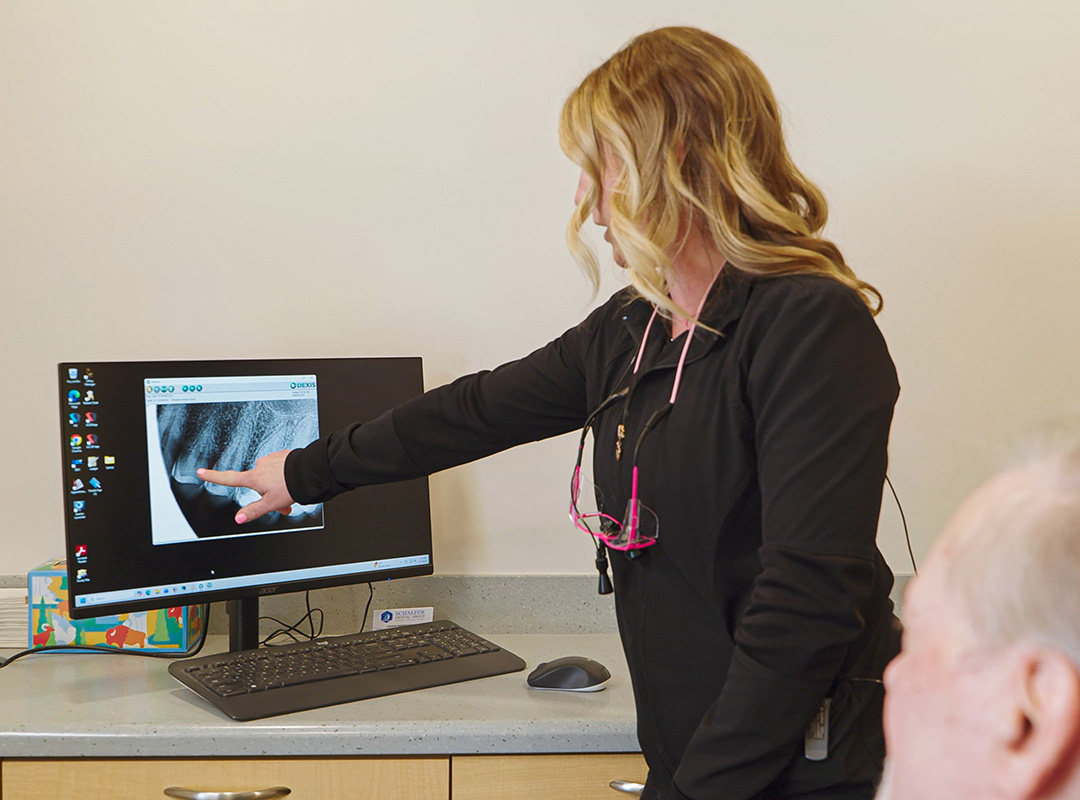
Digital imaging gives us a detailed look at your jaw joints, bone structure, and how your teeth come together. Cone beam 3D scans capture the joint from every angle in a single pass, showing us things a standard x-ray would miss, like subtle erosion on the condyle or a displaced disc. That level of detail means we can plan treatment around your specific anatomy instead of guessing.
When a custom oral appliance is part of your plan, we use digital impressions to capture your bite with precision down to fractions of a millimeter. The result is a night guard or splint that fits snugly from the first try, so it actually stays in while you sleep. We also use T-Scan bite analysis to measure exactly where pressure concentrates when you close your teeth, then adjust until the force is balanced evenly across your bite.

What to Expect During Your Visit
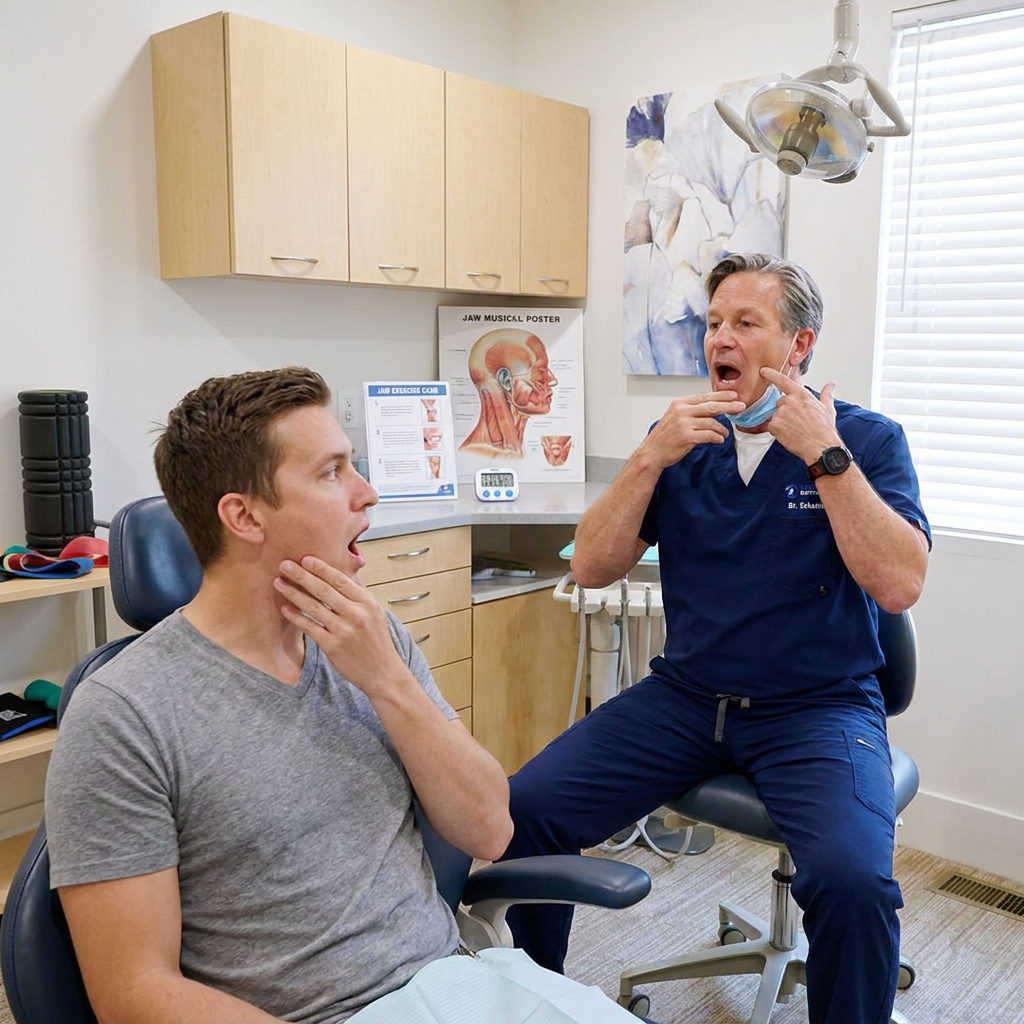
Your first visit starts with a thorough evaluation. We check how your jaw moves, listen for clicking or popping, and feel for tension in the muscles around your temples and cheeks. Digital imaging helps us see the joint structure and rule out other causes. The whole process is gentle and typically takes about 30 to 45 minutes.
Once we pinpoint the source of your discomfort, we walk you through a treatment plan that may include a custom oral appliance, bite adjustments, or targeted exercises. Most patients notice real improvement within a few weeks. We schedule a short follow-up to track your progress and fine-tune anything that needs adjusting.
Before Your Appointment
- 01
Write down when your jaw pain is worst, what triggers it, and whether clicking or locking happens on one or both sides.
- 02
Skip chewing gum or tough snacks for 24 hours before your visit so your jaw muscles are as relaxed as possible during the exam.
- 03
Bring a list of any medications you take, including over-the-counter pain relievers you use for jaw or headache symptoms.
After Your Appointment
- 01
Apply a warm, moist compress to the jaw for 15 to 20 minutes at a time to ease muscle tension after your visit.
- 02
Stick to softer foods like soup, pasta, and scrambled eggs for a few days so your jaw muscles can rest between sessions.
- 03
Practice the jaw stretches and relaxation exercises we showed you, ideally two to three times a day, to rebuild comfortable movement.
Why Brighton Patients Love Their Experience at Schaefer Dental Group
See how the right dental care helped them feel healthier and more confident in their smiles.
.jpg)
.jpg)
.jpg)

-
-
-
-
-
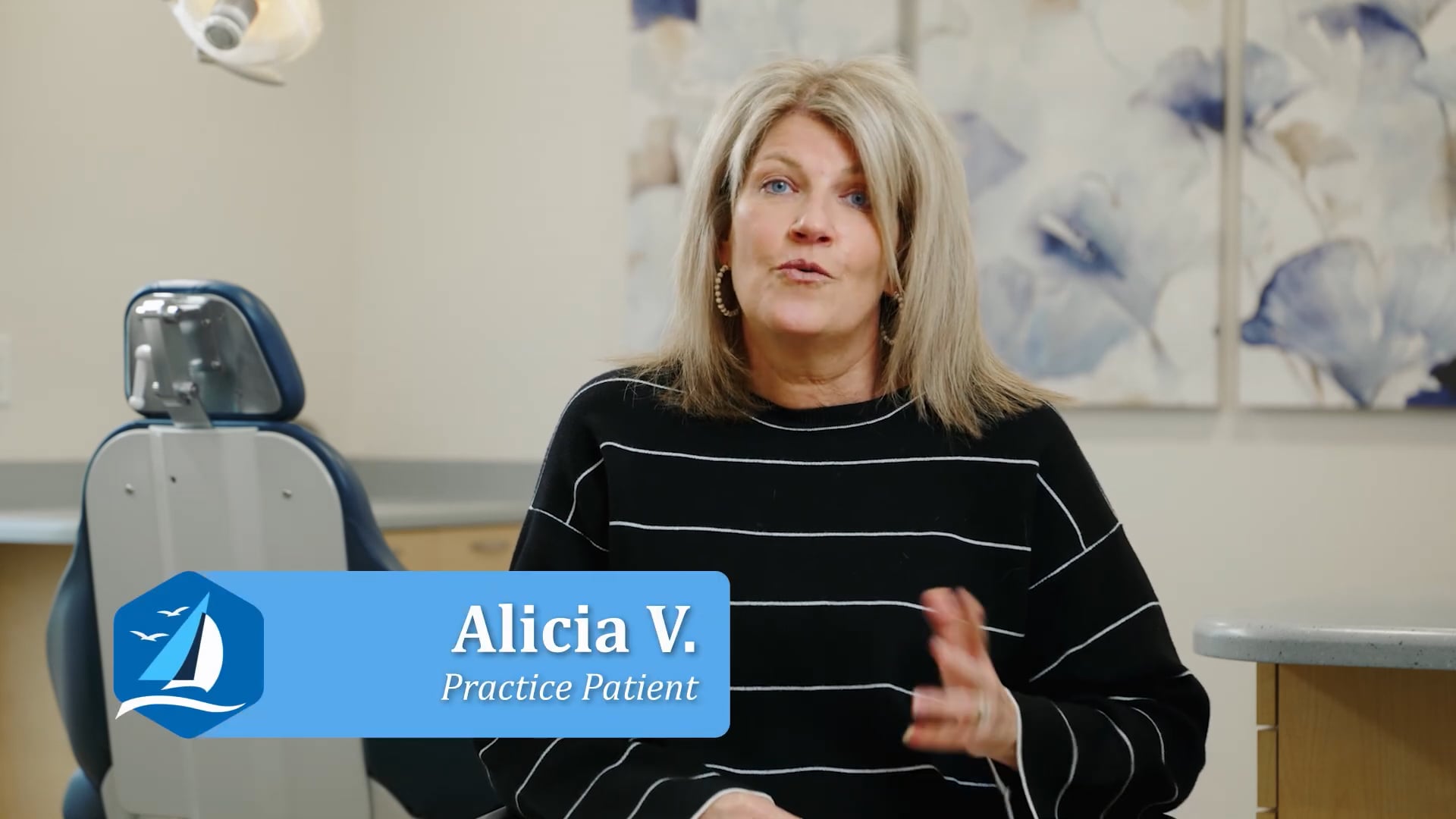
"Very pleased with my experience at Schaefer Dental in Brighton. Everyone there has been pleasant and helpful with any question about billing or any dental procedures. I highly recommend this office."
-
-
-
-
-
"I can’t say enough positive things about this group! From the front desk to the hygienist and then the dentists. Everyone is so welcoming and kind. It feels more like family than a dental office staff. 10/10!!!"
-
-
-
-
-
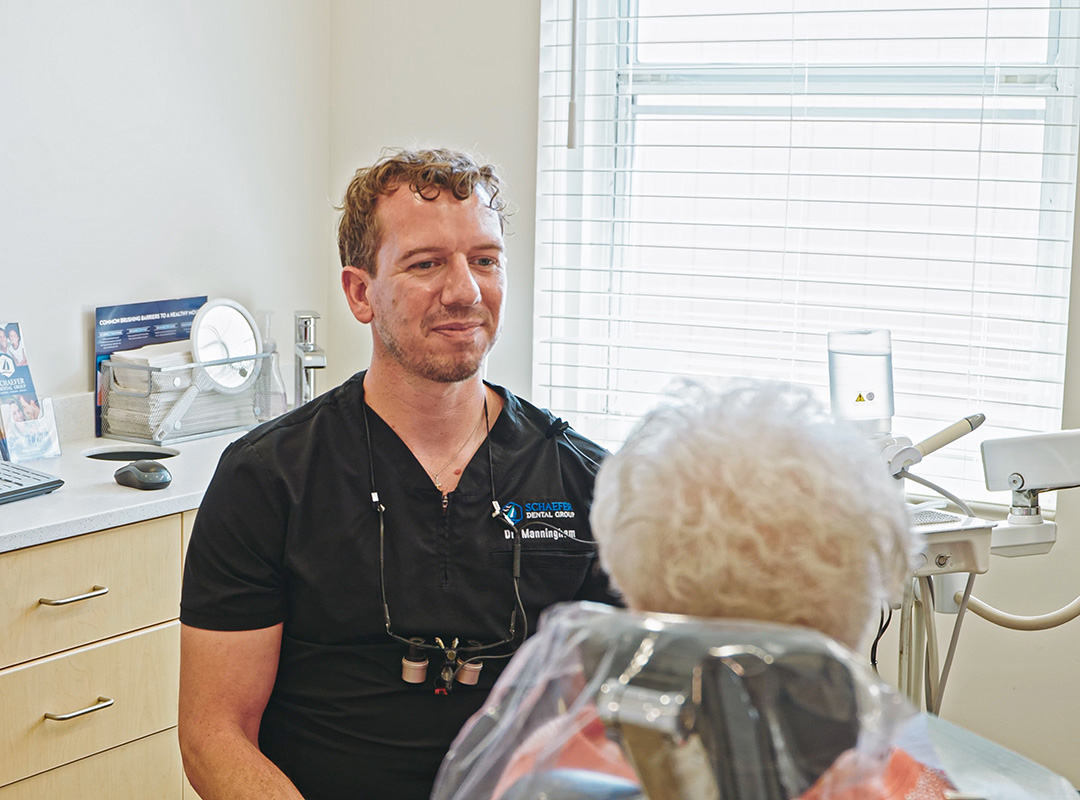
"Dr. Manningham is awesome. He explains everything he is going to do before he does it. He’s very gentle. The office has all the new state of the art equipment. I highly recommend them."
Frequently Asked Questions
How long does TMJ / TMD treatment take to relieve jaw pain?
Many patients notice improvement within two to four weeks of consistent splint wear. More complex cases involving bite alignment or muscle retraining may take a few months before symptoms fully settle down.
Can TMJ / TMD treatment help with chronic headaches?
Yes. Frequent headaches, especially ones that start near the temples or behind the eyes, often trace back to jaw tension. Correcting the bite relationship and reducing clenching pressure can significantly cut headache frequency.
Will I need to wear a splint forever?
Most patients transition to nighttime-only wear once symptoms stabilize. Some eventually stop altogether. We reassess at each follow-up and adjust the plan based on how your jaw is responding over time.
Is TMJ disorder linked to teeth grinding?
They overlap often. Grinding puts heavy stress on the jaw joint and surrounding muscles, which can trigger or worsen TMD symptoms. Treating the grinding habit with a custom oral appliance usually helps both problems at once.
Can children or teenagers develop TMJ problems?
They can, though it is less common. Growth spurts, orthodontic changes, and stress-related clenching can all contribute. We evaluate jaw function during routine exams so any early signs get caught before they progress.
Take the First Step Today
Comfortable, personalized dental care designed to keep every visit simple, smooth, and stress-free.
Stay Informed with Expert Insights & Tips About TMJ / TMD Treatment
Your Next Visit Starts Here
Ready to take the next step? Contact Schaefer Dental Group in Brighton, MI to book your visit.
- CLINIC HOURS
Monday: 8 AM – 5 PM
Tuesday: 9 AM – 6 PM
Wednesday: 8 AM – 2 PM
Thursday: 8 AM – 5 PM
Friday – Sunday: Closed