
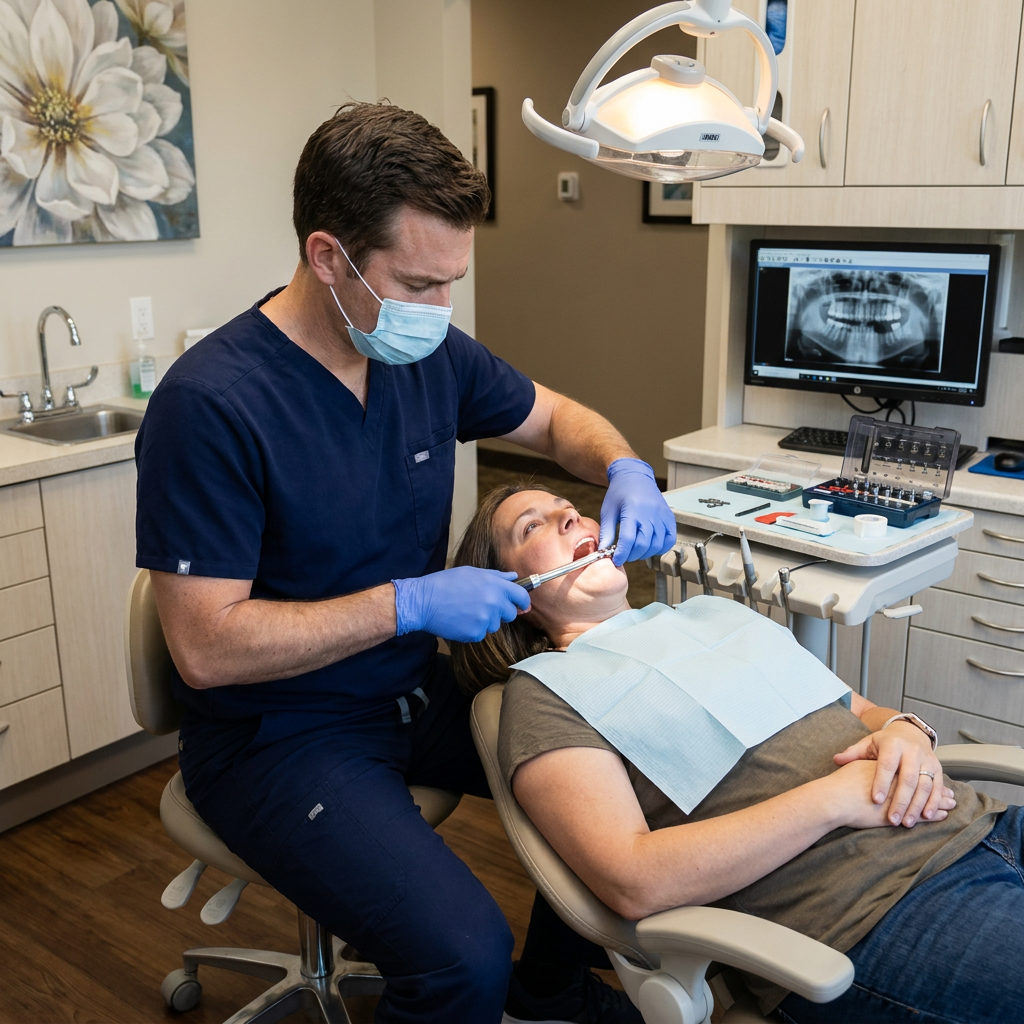
Implant-Supported Dental Bridges in Brighton, MI
Replace several missing teeth with a fixed bridge anchored by dental implants for reliable, natural-feeling results.


What are Implant-Supported Dental Bridges?
Missing several teeth in a row affects more than appearance. Chewing becomes harder, your remaining teeth start shifting, and the jawbone beneath those gaps slowly loses density. An implant-supported dental bridge solves all three problems at once. Instead of relying on neighboring teeth for support the way a traditional bridge does, this restoration anchors directly to implants placed in the jawbone.
We typically place two or more titanium posts into the bone, then attach a single bridge that spans the gap. Because the posts fuse with your jaw over several months, the result feels stable and functions like natural teeth. You can bite into firm foods again without second-guessing it. Our team at Schaefer Dental Group in Brighton, MI uses implant-supported dental bridges to restore both function and bone health in one treatment.

Chew Without a Second Thought
Implants anchor your bridge directly into the jawbone, so it stays put when you bite into firm foods. No shifting, no rocking, no holding back at meals.
No Grinding on Healthy Teeth
A traditional bridge leans on neighboring teeth for support. An implant-supported dental bridge stands on its own posts, leaving the teeth next to the gap untouched.
Bone Stays Strong Over Time
When teeth go missing, the jawbone beneath them starts to shrink. Implant posts act like tooth roots, keeping the bone stimulated so your facial structure holds its shape.
Who Benefits from Implant-Supported Dental Bridges?
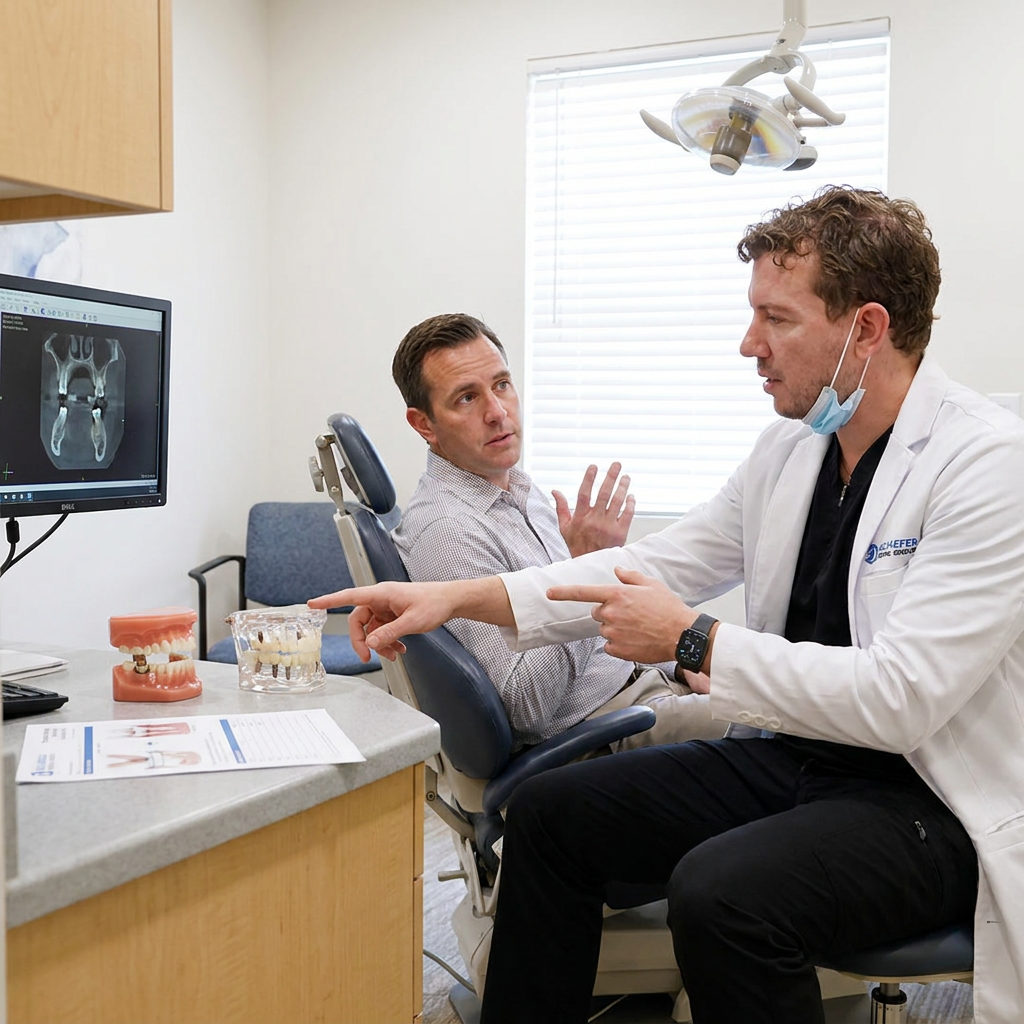
If you've lost three or four teeth in a row and a traditional bridge keeps loosening, or if you're tired of a partial that slips when you chew, an implant-supported dental bridge may be exactly what you need. Adults of any age who have enough jawbone to anchor implants are strong candidates. The same goes for people who lost teeth years ago and never found a replacement that felt stable.
We see patients in Brighton, MI who put off treatment because they assumed individual implants were the only option. An implant-supported dental bridge replaces several teeth with just two or three implant posts, so the process is simpler than many expect. Once healed, the bridge locks firmly into place and handles everyday biting forces like natural teeth.

Advanced Implant-Supported Dental Bridges Technology
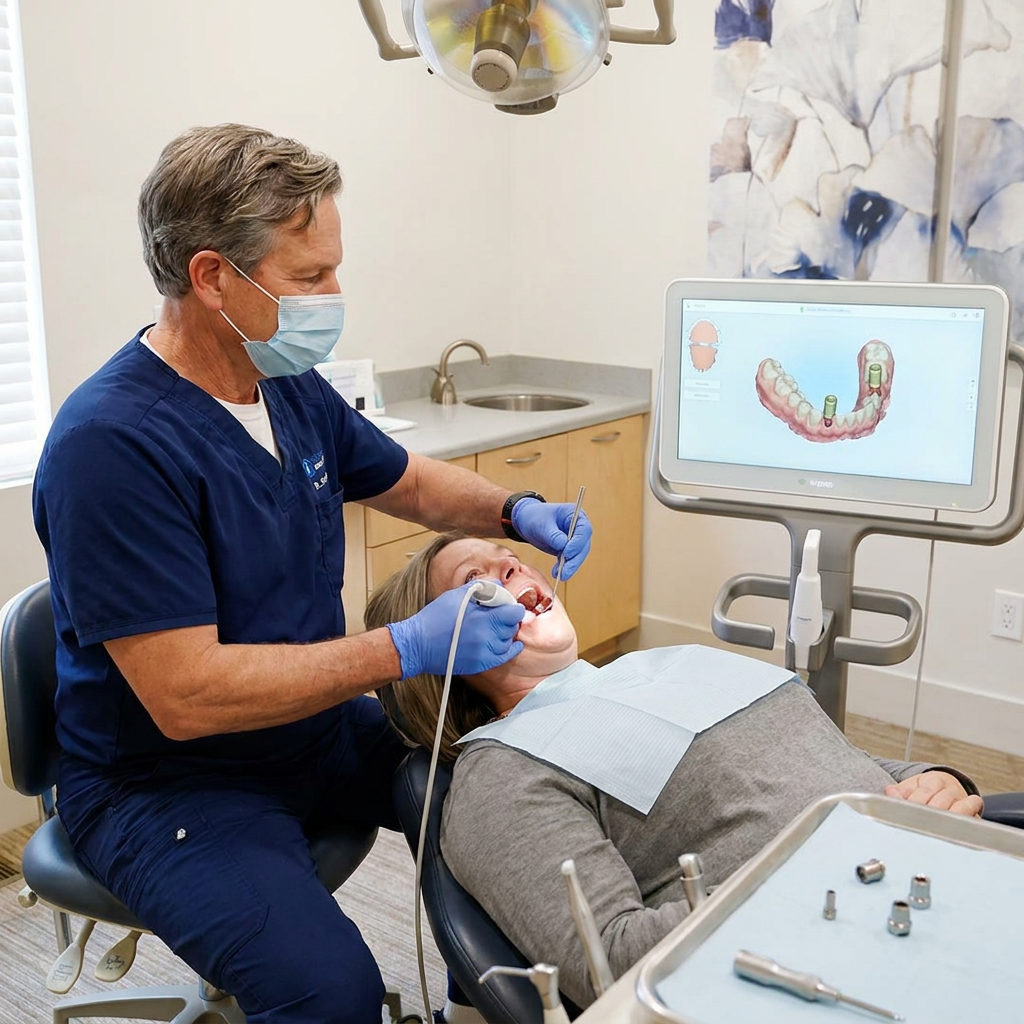
Planning starts with a cone-beam CT scan, which gives us a full 3D view of your jawbone, nerve pathways, and sinus cavities. That level of detail lets us map the exact angle and depth for each implant post before we ever pick up a handpiece. Guided surgical templates printed from those scans keep placement accurate to fractions of a millimeter, which means less chair time and faster healing.
The bridge itself is milled from high-strength zirconia or layered porcelain fused to a metal framework, depending on where in the mouth it sits. Zirconia resists chipping better than older all-porcelain options and can be shade-matched so closely that most people cannot tell it apart from your natural teeth. Digital shade-matching tools remove the guesswork, so the color we choose in Brighton, MI is the color you see on the final restoration.

What to Expect During Your Visit
We start by numbing the area thoroughly, so you feel pressure at most but no pain. Then we take digital impressions of your remaining teeth and the implant sites. If your implants are already healed, we attach small connector pieces called abutments and check how everything lines up. The whole visit usually runs about 90 minutes.
You may notice mild soreness around the abutment sites for a day or two, and over-the-counter pain relief handles it well. We place a temporary bridge while your custom one is being crafted, so you leave with a full smile that day. Most patients return in two to three weeks for the permanent bridge fitting at our Brighton, MI office.
Before Your Appointment
- 01
Bring a list of every medication you take, including supplements, since some can affect how implant sites heal.
- 02
Eat a solid meal about two hours before your appointment because the numbing and procedure length may delay your next one.
- 03
Wear a short-sleeved or loose-fitting top so we can easily place a blood pressure cuff during your implant bridge visit.
After Your Appointment
- 01
Rinse gently around the implant bridge with warm salt water two to three times a day for the first week to keep the surgical sites clean.
- 02
Stick to soft foods like mashed potatoes, smoothies, and scrambled eggs for five to seven days so the implants can begin fusing with the bone.
- 03
Hold off on brushing directly over the bridge abutments for the first 48 hours, then switch to a soft-bristle brush and clean around each post carefully.
Why Brighton Patients Love Their Experience at Schaefer Dental Group
See how the right dental care helped them feel healthier and more confident in their smiles.
.jpg)
.jpg)
.jpg)

-
-
-
-
-
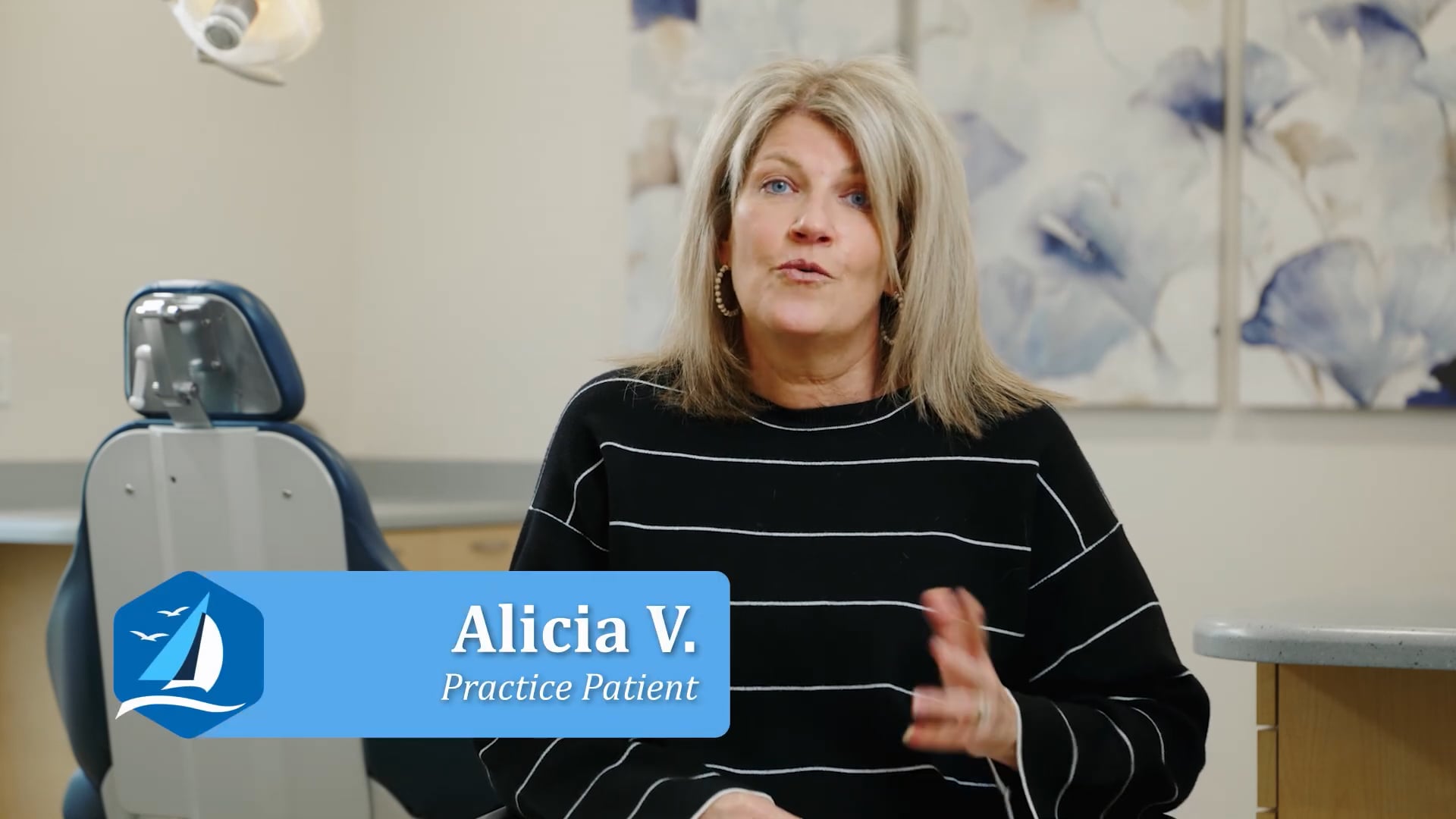
"Very pleased with my experience at Schaefer Dental in Brighton. Everyone there has been pleasant and helpful with any question about billing or any dental procedures. I highly recommend this office."
-
-
-
-
-
"I can’t say enough positive things about this group! From the front desk to the hygienist and then the dentists. Everyone is so welcoming and kind. It feels more like family than a dental office staff. 10/10!!!"
-
-
-
-
-
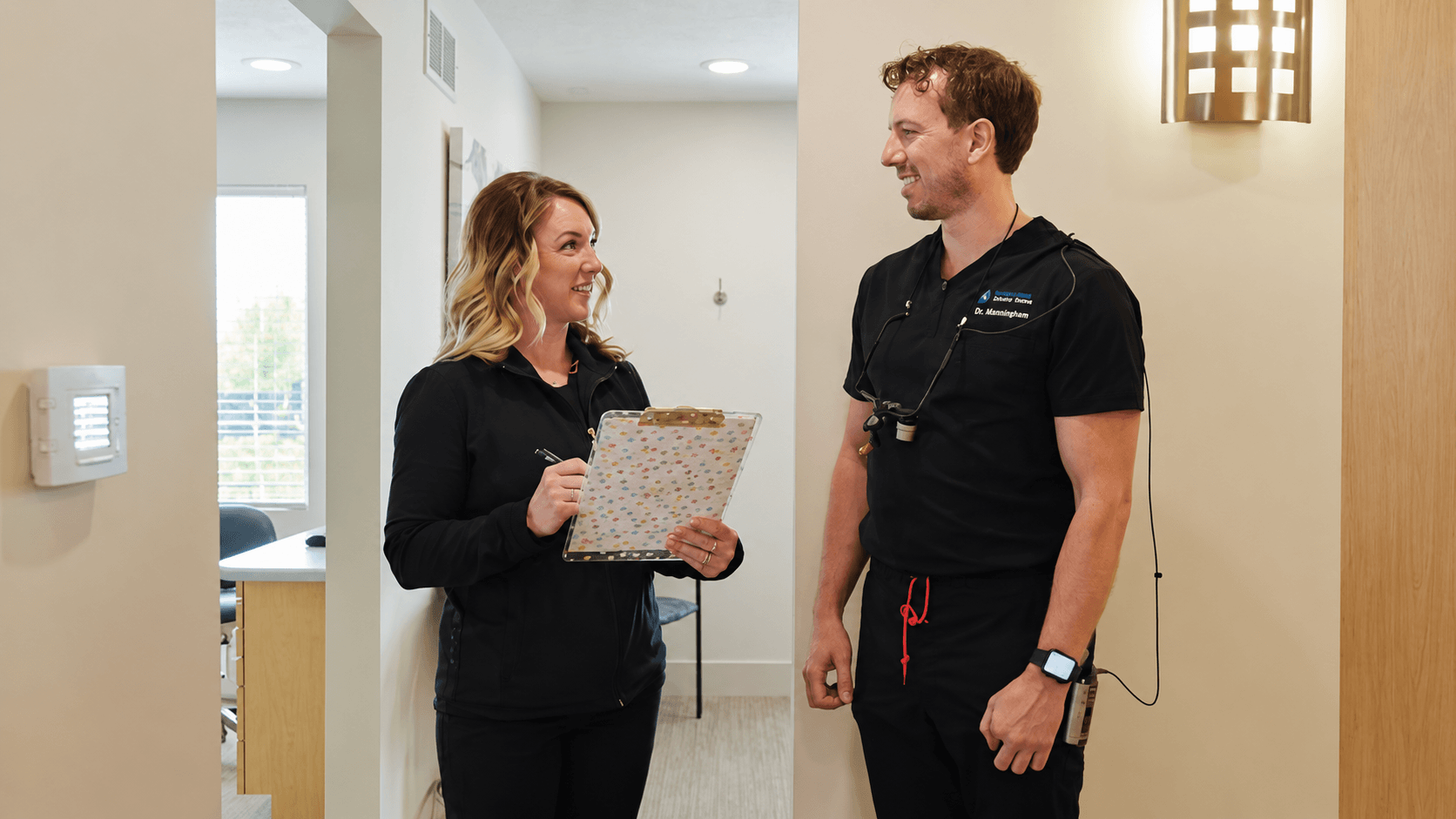
"Dr. Manningham is awesome. He explains everything he is going to do before he does it. He’s very gentle. The office has all the new state of the art equipment. I highly recommend them."
Frequently Asked Questions
How long do implant-supported dental bridges typically last?
Most implant-supported dental bridges last 15 years or longer. The implants themselves can last a lifetime with good oral hygiene. The bridge portion may need replacement after 15 to 20 years due to normal wear on the prosthetic teeth.
Can I eat steak and crunchy foods with an implant-supported dental bridge?
Yes. Once fully healed, you can bite into apples, chew steak, and eat raw vegetables without worry. The implants anchor directly into your jawbone, so your bite force is close to what natural teeth provide.
What is the difference between an implant-supported dental bridge and a traditional bridge?
A traditional bridge relies on neighboring teeth filed down as anchors. An implant-supported dental bridge sits on implants placed in the jawbone, so we don't touch your healthy teeth. It also stimulates the bone underneath, which a traditional bridge cannot do.
Do implant-supported dental bridges require special cleaning?
Daily brushing and flossing work well, though we recommend a floss threader or water flosser to clean under the bridge where it meets the gumline. Regular checkups at our Brighton, MI office let us monitor the implants and catch any buildup early.
Am I a candidate if I have some bone loss in my jaw?
Often, yes. Moderate bone loss doesn't automatically rule you out. We take a 3D scan to measure your bone density and volume. If extra support is needed, a bone graft can rebuild the area before we place the implants.
Take the First Step Today
Comfortable, personalized dental care designed to keep every visit simple, smooth, and stress-free.



Stay Informed with Expert Insights & Tips About Implant-Supported Dental Bridges
Your Next Visit Starts Here
Ready to take the next step? Contact Schaefer Dental Group in Brighton, MI to book your visit.
- CLINIC HOURS
Monday: 8 AM – 5 PM
Tuesday: 9 AM – 6 PM
Wednesday: 8 AM – 2 PM
Thursday: 8 AM – 5 PM
Friday – Sunday: Closed