1. What should I do if a tooth gets knocked out completely?
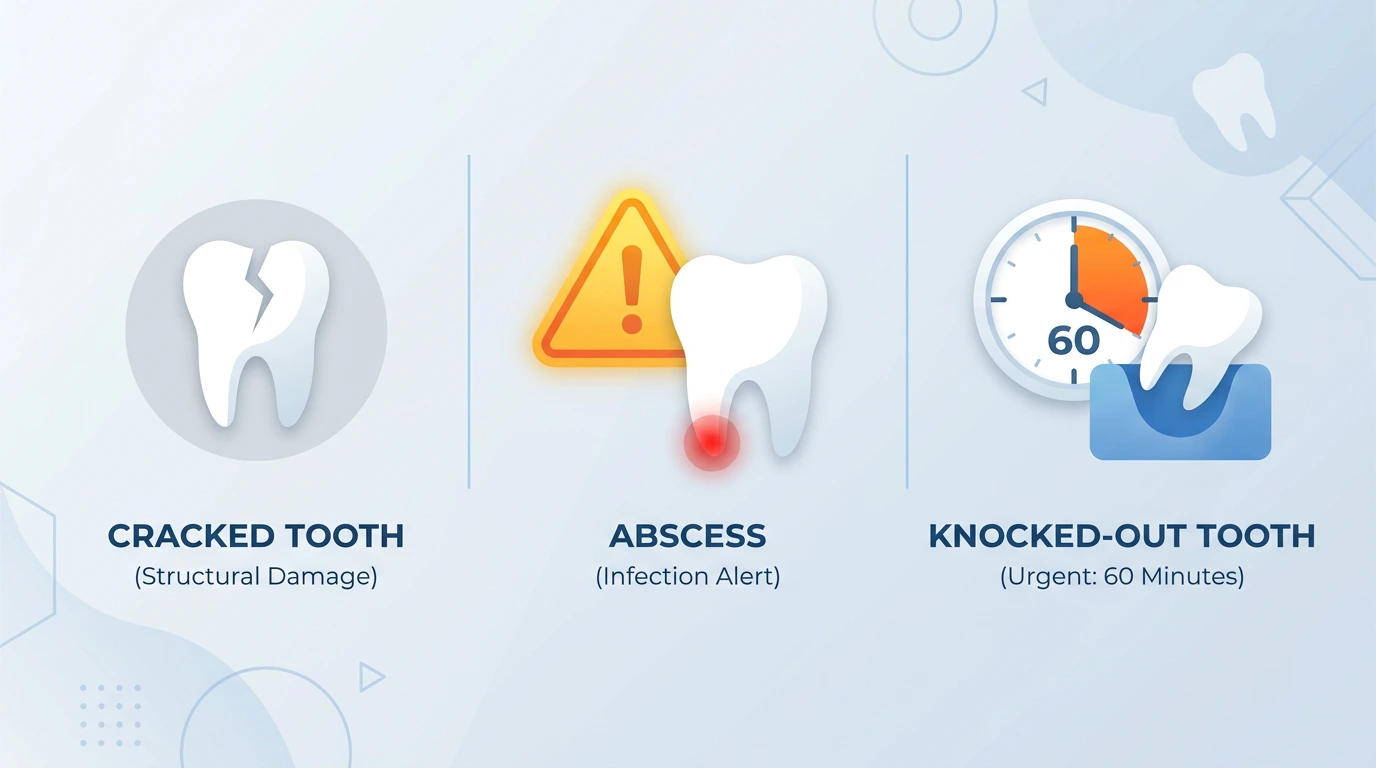
If a permanent tooth is knocked out, handle it only by the crown and avoid touching the root. Rinse it gently with water if dirty, attempt to slip it back into the socket, or store it in milk. Contact Dr. B. Patrick Schaefer immediately, as re-implantation is most successful within one hour of injury.
2. Can a cracked tooth heal on its own without treatment?
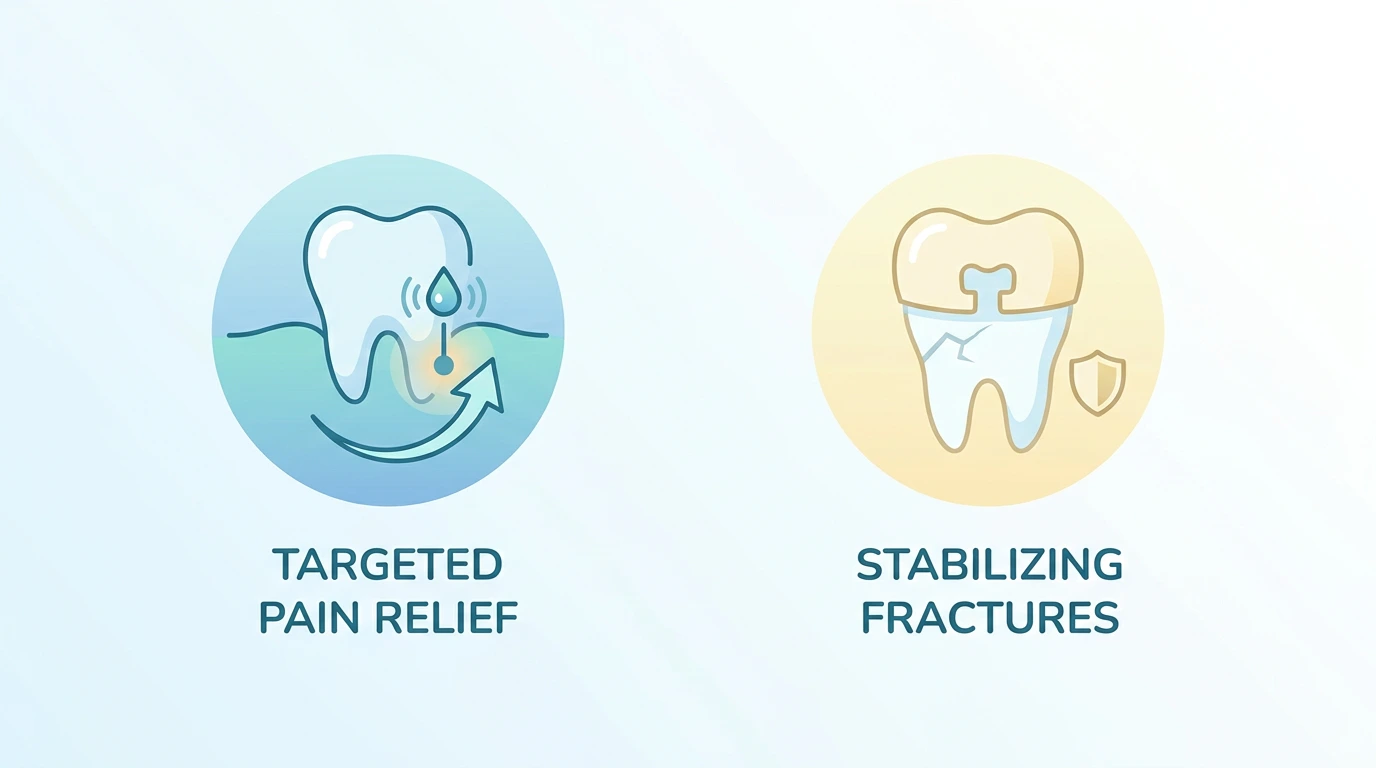
A cracked tooth cannot heal on its own because enamel lacks living cells to regenerate. Without timely professional treatment, bacteria enter the inner pulp, leading to nerve infection or severe structural breakage. An urgent dental evaluation stabilizes the crack through bonding, root canal therapy, or a custom crown before damage worsens.
3. How quickly can I be seen for an emergency dental visit?
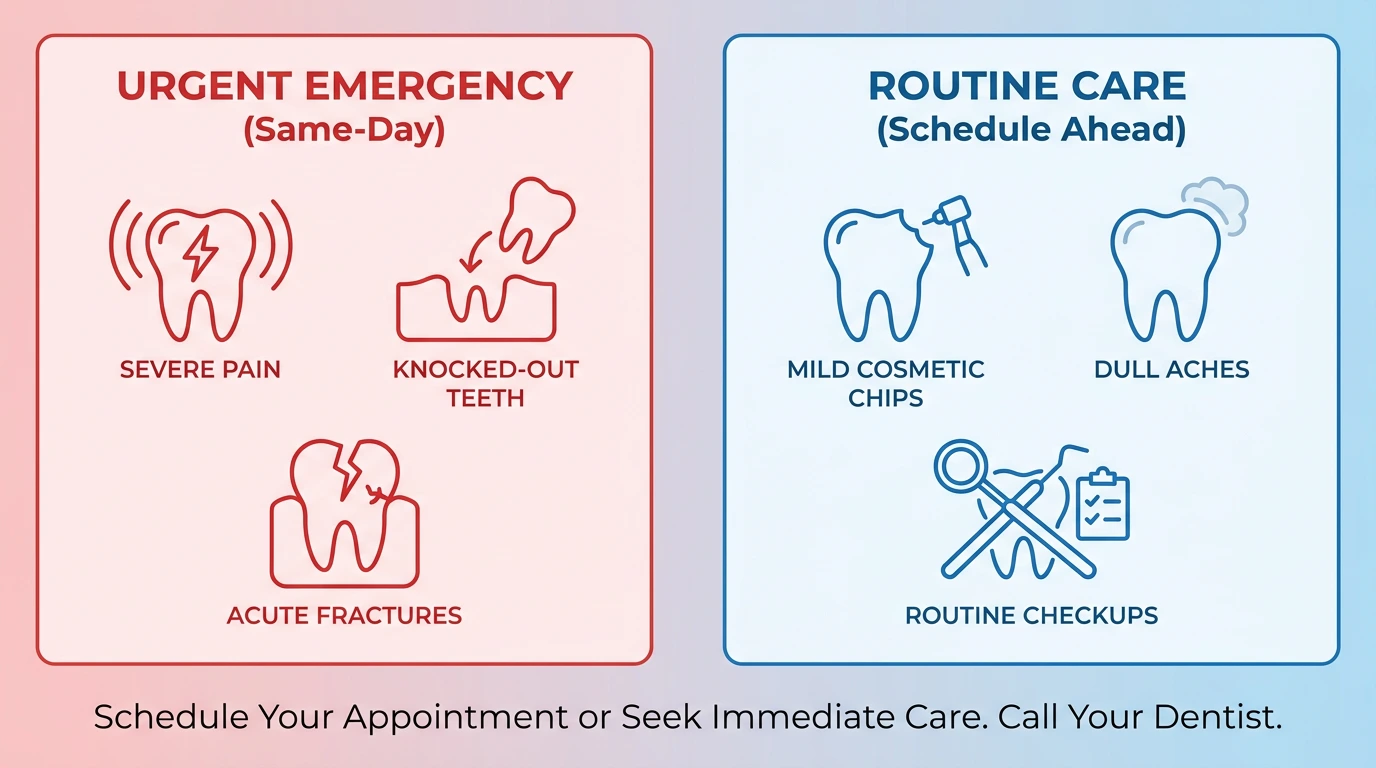
Most reputable emergency practices offer same-day appointments for urgent concerns involving acute pain, trauma, or bleeding. When Grace contacted the clinic with her cracked tooth, the team fit her into the schedule the next morning. Calling as early as possible ensures the team can prepare a treatment suite for your arrival.
4. Is severe tooth pain always considered a dental emergency?
Persistent, intense tooth pain almost always signals an underlying problem that warrants immediate evaluation. Sharp discomfort typically points to pulp inflammation, nerve exposure, or an abscess beneath the gumline. Delaying care can cause the infection to spread, so contacting a dental professional promptly is the safest choice for long-term health.
5. What if I experience an emergency outside normal office hours?
If an emergency occurs when the office is closed, contact the office as soon as it opens to request a prompt, same-day visit when available. For severe facial swelling that impacts breathing or swallowing, visit an emergency room immediately.
6. What is the difference between an emergency room and an emergency dentist?
Hospital emergency rooms manage severe systemic trauma, uncontrolled hemorrhaging, or airway obstruction, but they are usually not equipped to repair damaged teeth. An emergency dentist possesses the specialized tools and restorative training required to fix fractures, perform root canals, and save natural teeth while providing lasting relief from oral pain.